

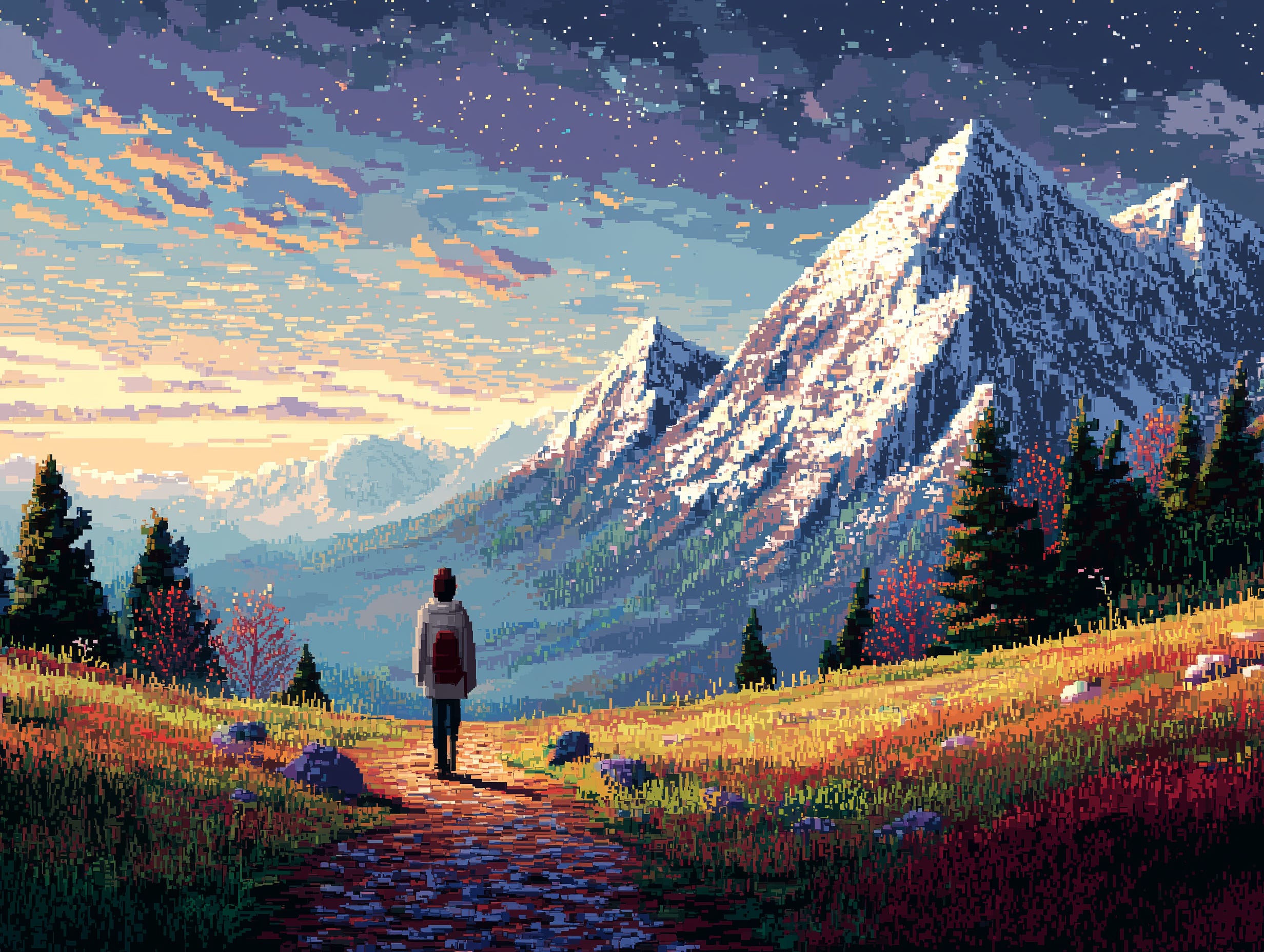
I keep having this recurring dream.
Snow-dusted mountains radiate in the distance as drops of dew absorb the glow of an early morning. I walk around barefoot, shuffling through soft patches of grass and clumps of dirt, flipping over rocks in hopes of glimpsing the alien lifeforms crawling beneath. The air is crisp and full of the sounds of a world coming to terms with a new day. It’s all so beautiful and familiar.
The scene is a fragmented memory from my early childhood. Back then everything was more external. Life consisted of freeform adventuring throughout my hometown, playing games with neighborhood friends, and soaking up as much information as a young mind could. My attention was mine to direct, and my default was to cast it outward toward the fascinating reality around me.
Waking up from this dream always evokes a sense of longing. I’m 27 now, living the career-maxxing adult life, and fighting to remain authentic in a world that’s hell bent on inching me closer to conformity. It doesn't help that I spend the vast majority of my time staring at a screen, but that’s not the core problem. The real issue is the slow, almost imperceptible shift in attention that’s caused me to stray from a full-time active participant to an increasingly passive consumer.
You (yes, you) know just as well as anyone that I’m not alone in this struggle, and it’s one of the main reasons we’re building Plicity. At its core, Plicity is a platform designed to help people use their attention in ways that expand their creativity. If attention is our most precious resource, then how we direct it—and what incentives shape that direction—matters enormously.
In her 2025 book Antimemetics: Why Some Ideas Resist Spreading, Nadia Asparouhova writes:
“Attention is not something we merely own, it is what we are. Learning to wield it isn't just about returning to the present moment, but about creating infinite, dazzling realities—because what we choose to see in the present moment is unique to each of us.”
We may not have the power to construct the reality around us in its entirety (yet), but we can construct vivid realities within. The things we give mindshare to, whether active creation or passive consumption, shape who we become.
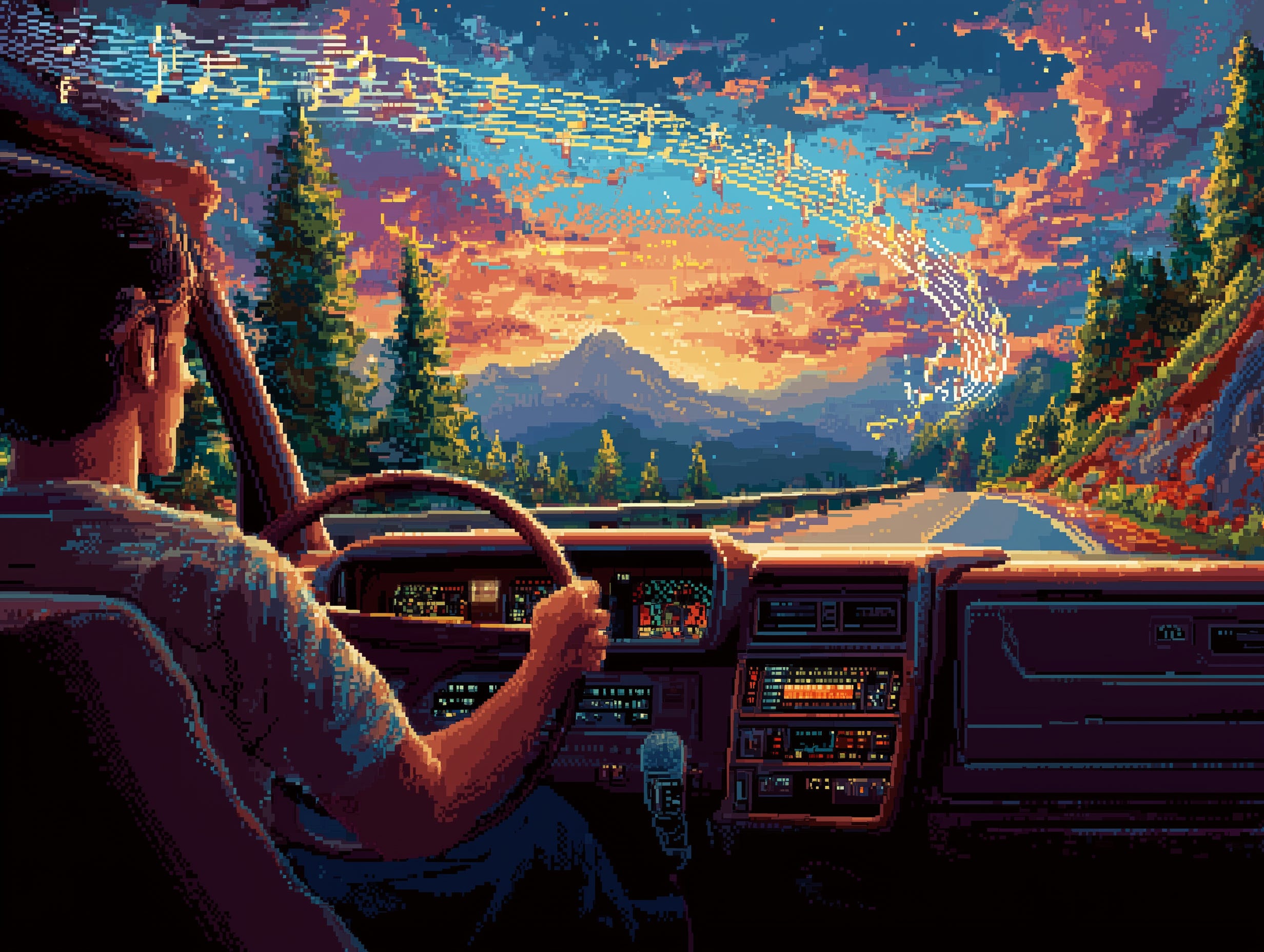
For me, one of the clearest examples is my daily commute. Twice each weekday, I choose between three options:
It sounds trivial, but the impact of my decision compounds over time. Across 240 workdays, each with two 30-minute drives, I spend around 240 hours (ten full days of my year) inside this decision space. My brain, like yours, is pattern-driven and finite in capacity. If I spend the majority of a particular week’s road time immersed in music, I’m far more likely to pick up my guitar over the ensuing weekend.
Ralph Waldo Emerson put it even more directly:
“That which dominates our imaginations and our thoughts will determine our lives, and our character. Therefore, it behooves us to be careful what we worship, for what we are worshipping, we are becoming.”
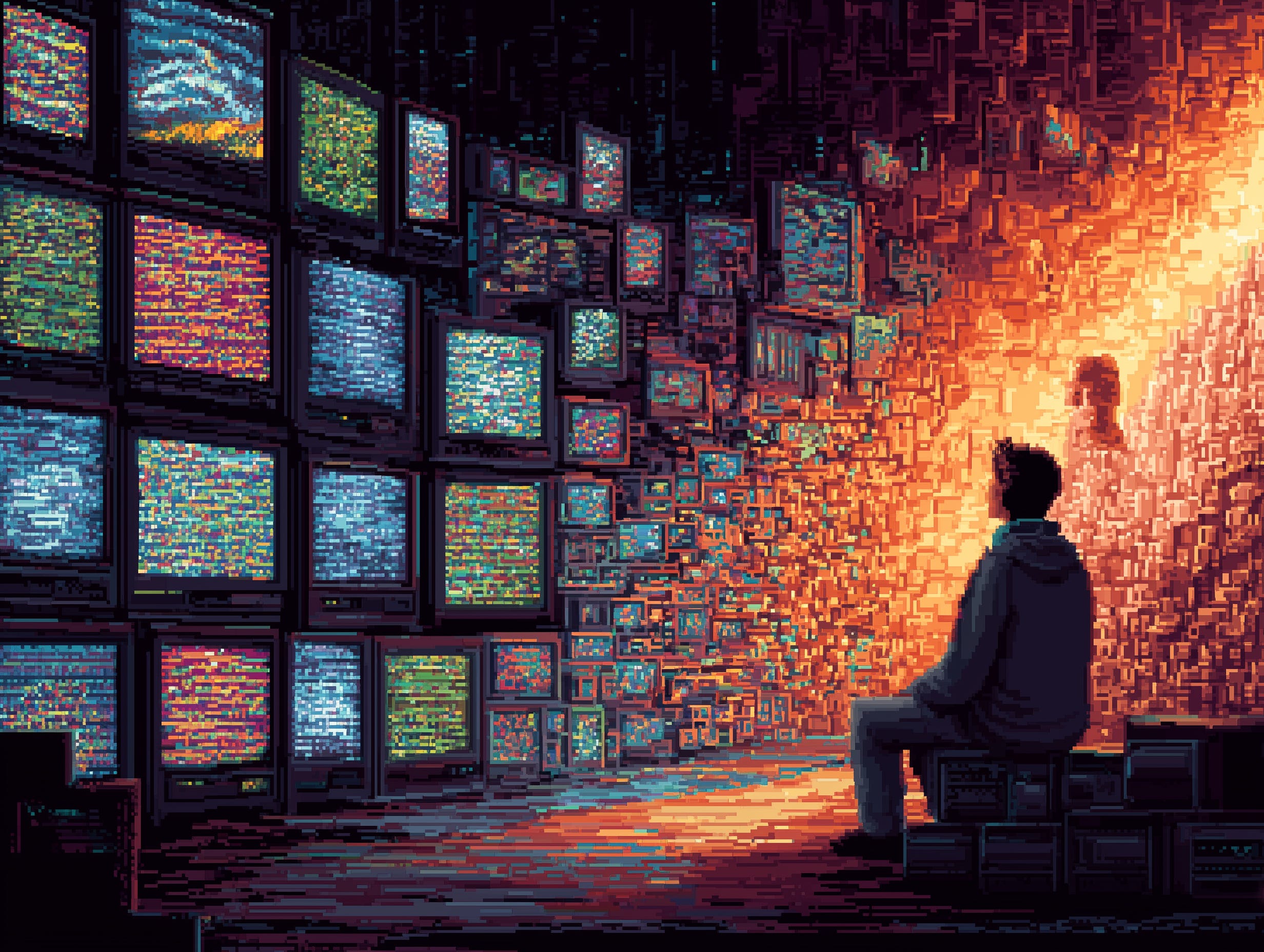
Screens aren’t inherently the enemy—but the incentives behind them often are. Much of the online world is designed to steer attention toward consumption, not creation. Even with the best filters, it’s easy to get pulled into loops that leave us passive, overstimulated, and unfulfilled.
Plicity is our attempt to push back. From the very beginning, three principles have guided our decisions:
Interactive and social by default
Not just likes and comments. Posts (or as we like to call them, expressions) exist as interactive sandboxes. Others can remix, extend, and transform them in real time, leaving behind creative lineages that evolve through collective imagination.Code as self-expression
Not sterile dashboards or one-off widgets, but living, playful, and deeply personal pieces of software. Part art, part technology that others can explore and reshape.Beyond dopamine loops
A platform where curiosity, creativity, and meaningful interaction replace endless scrolling. The reward isn’t in the next hit of novelty, but in the satisfaction of building, sharing, and evolving ideas together.
In a way, the dream I keep having is the blueprint: a world alive with possibility, where exploration is natural and attention is directed outward toward what fascinates us most. If we can capture even a fraction of that feeling inside a digital space, we can contribute to a world worth waking up to.